Mobile Marketing Icon: A Designer's Real-World Embroidery Review
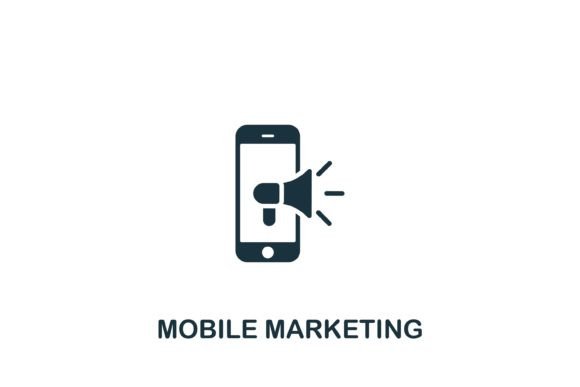
As a designer who spends more time behind an embroidery machine than in front of a computer, I have learned that not every digital graphic translates well into thread. There is a distinct difference between a vector file that looks crisp on a screen and a machine embroidery design that holds up under the tension of stitching. Recently, I evaluated the Mobile Marketing Icon, a simple line element intended for templates and web design, to see if it has any real potential for physical craft projects. My verdict? It is a versatile asset, but only when approached with specific technical considerations.
The first impression of the Mobile Marketing Icon is one of modern minimalism. In its digital form, it communicates efficiency and connectivity instantly. However, when we talk about converting this into an embroidery file, the mood shifts from "digital marketing symbol" to "clean, contemporary accent." The simplicity is its greatest strength because it avoids the clutter that often plagues small designs. For an embroiderer looking to add a subtle nod to technology or business without overwhelming a garment, this design offers a sleek aesthetic that feels professional rather than kitschy.
Real-World Application: From Screen to Stitch
Let me paint a picture of how I would actually use this design. Imagine I am preparing a custom order for a local startup that specializes in app development. They need embroidered patches for their staff uniforms and perhaps some branded tote bags for a conference. The client wants something that represents their industry but doesn't look like a generic tech logo. This is where the Mobile Marketing Icon shines.
I would place this icon on a high-quality canvas tote bag using a single color, perhaps a deep navy or charcoal gray against a natural beige background. The clean lines of the icon would mimic the look of a printed graphic but with the tactile depth of thread. Because the design is essentially a simple outline, it works beautifully as a tote bag design where the focus is on branding rather than complex imagery. It signals professionalism to the customer carrying the bag, suggesting that the brand inside understands modern trends.
Similarly, consider a scenario involving personalized gifts for a baby shower or a new parent. While the icon itself is corporate, the concept of "mobile" can be interpreted playfully. If I were to digitize this for a baby onesie, I might pair it with soft pastel threads to create a whimsical "tech-savvy" theme. It fits perfectly into the growing trend of baby embroidery that blends humor with style. The design is simple enough that it won't scratch a baby's skin, provided the stitch density is managed correctly.
Performance on Different Fabrics and Garments
When evaluating the Mobile Marketing Icon for custom apparel, fabric choice becomes critical. This design relies heavily on negative space and thin lines. On a smooth cotton t-shirt or a sturdy sweatshirt, the satin stitch used to outline the icon will lay flat and look sharp. However, the experience changes drastically depending on the texture of the material.
If you attempt to stitch this on a heavy, textured fabric like a thick fleece or a boucle knit, the definition of the icon may get lost. The raised texture of the fabric competes with the fine lines of the design, making it difficult for the needle to penetrate cleanly. In these cases, the result might look muddy rather than crisp. Conversely, on a smooth linen or a tightly woven twill, the design maintains its integrity. The running stitch elements, if present in the conversion, would glide effortlessly across the grain, creating a delicate, hand-drawn feel.
For embroidered patches intended for application on denim jackets or aprons, this icon is a strong candidate. Patches require clear outlines to stand out, and the linear nature of the Mobile Marketing Icon provides exactly that. It creates a bold silhouette that reads well even from a distance. I envision this design on a kitchen towel or an apron for a food blogger who focuses on digital recipes. The combination of culinary craft and digital tools tells a story that resonates with modern creators.
Where Caution Is Required
Despite its strengths, there are specific scenarios where the Mobile Marketing Icon requires careful handling. One major concern is the hoop size. Because the design is likely compact, trying to stitch it in a very small hoop (like 4x4 inches) can sometimes lead to distortion if the digitizer does not account for the fabric pull. Always ensure the design is scaled appropriately so that the lines do not become too thin to hold together.
Another area of caution is dark fabric. If the icon is stitched in white or light thread on a black shirt, the contrast is high, which is good. However, if the design relies on a very fine outline, the thread might not cover the dark background sufficiently, leading to gaps in the image. In such cases, a fill stitch or a slightly thicker satin border might be necessary to ensure opacity.
Stretchy fabrics, such as jersey knits or athletic wear, also pose a challenge. The tension required to stitch the icon could cause the fabric to pucker around the design. To mitigate this, a high-quality cut-away stabilizer is essential to support the stitches and prevent the garment from warping. Without proper stabilization, the finished product may look distorted after the first wash, which can damage the reputation of a handmade business.
Visual Appeal and Customer Trust
In the world of Etsy sellers and small shop products, visual clarity is everything. Customers cannot touch the item before buying; they rely on images and descriptions. A well-executed Mobile Marketing Icon on a mockup or a photo of the actual item conveys attention to detail. It suggests that the maker cares about precision and quality.
This level of care builds customer trust. When a buyer sees a clean, well-stitched icon on a personalized gift, they perceive higher value. They are willing to pay a premium for a product that looks polished and intentional. The design acts as a badge of quality, reinforcing the idea that the brand is modern and reliable. Whether it is used on a holiday gift tag or a boutique branding label, the icon adds a layer of sophistication that elevates the entire piece.
However, if the stitching is sloppy or the thread colors clash, the effect is reversed. A poorly executed design can make a product look cheap, regardless of the base material. Therefore, the success of this project depends entirely on the execution. It is not just about having the file; it is about understanding how the thread colors interact with the fabric texture.
Practical Designer Notes for Success
Before committing to a full production run, I always advise testing the design on scrap fabric. This simple step can save hours of frustration. Check the stitch density to ensure the lines are not too crowded, which can cause the needle to break or the fabric to bunch. Review the design in black and white mockups to confirm that the shape remains recognizable without relying on color variations.
Confirm your hoop size matches the dimensions of the design to avoid unnecessary scaling. Inspect small details closely; if the icon has tiny corners, ensure they are rounded or reinforced to prevent unraveling. Compare the look on both light and dark backgrounds to determine the best thread palette. Use a proper stabilizer that matches the weight of your fabric—lighter fabrics need lighter stabilizers, while heavier items need more support.
Finally, verify whether the license allows for commercial use. Many digital embroidery files come with restrictions on selling finished items. Ensure you have the rights to sell the finished product if you plan to offer it in your shop. If the design is intended for personal use only, respect those terms to maintain ethical standards in the craft business.
The Mobile Marketing Icon is a solid addition to any designer's toolkit, provided it is treated with the same respect as any other complex project. It bridges the gap between digital aesthetics and tactile craftsmanship, offering a unique opportunity to create meaningful, modern pieces. With the right technique and attention to detail, this simple line element can become the standout feature of a successful embroidery project.